Author Archives: admin

Vitamins : Guinea Pigs – the Importance of Vitamin C

Article by Bob Matthews

You and your guinea pig may have more in common than you realize. Both you and your guinea pig must have vitamin C to survive. Sadly, guinea pigs suffer many health problems that can be attributed to a vitamin C deficiency. Unlike other mammals who manufacture vitamin C from glucose in the body, you and your guinea pig both lack a particular enzyme needed to perform this process. Thus, both human and guinea pig vitamin C requirements must be satisfied by external sources. So a daily vitamin C supplement is absolutely necessary to insure that your cavy is getting her daily requirement of this important vitamin.

Your guinea pig must have a regular source of vitamin C or it will perish. There are two broad classes of vitamin: water-soluble vitamins and fat-soluble vitamins. Vitamin C is a water-soluble vitamin. Fat-soluble vitamins (like vitamins A, D, E and K) are dissolved by lipids – fat globules. Once these vitamins are absorbed by lipids, they are stored up in your body’s tissues.

The good news is that you cannot give your pig (or yourself) an overdose of vitamin C. The body cannot store a significant quantity of vitamin C. It will simply excrete the excess in the urine. However, there is also bad news: because vitamin C passes so quickly through your cavy’s body, they must be given supplements on a daily basis.

A great way to insure that your pig’s diet contains sufficient amounts of C vitamin is to feed them a diet rich in dark leafy vegetables such as parsley, kale or romaine lettuce. Be sure to avoid iceberg lettuce as it is mostly water and empty calories. Iceberg lettuce is essentially devoid of any nutritional value. As a general rule of thumb – the darker and richer the color of a fruit or vegetable – the more vitamins it contains and the more nutritionally desirable it is.

To insure that your pig is getting sufficient amounts of daily vitamin C, it is also recommended that you supplement its diet with vitamin C supplements in the form crystals, tablets or liquid drops. Tablets or crystals can be ground or crushed into a fine powder and sprinkled on food. Or the powder can also be dissolved in your cavy’s drinking water. Liquid supplements can be added to drinking water or sprinkled on your guinea pig’s food.

Be careful when adding vitamin C to your pig’s drinking water. Vitamin C can be destroyed by substances found in tap water in certain regions. Your safest bet is to use distilled or purified water.

Your cavy needs vitamin C to survive. While supplementation is recommended, it should not be the only source of vitamin C for your guinea pig. Your pig’s diet should also contain plenty of dark green vegetables and rich, colorful fruits. Since vitamin C is water-soluble, there is little danger of giving too much vitamin C to your cavy. Excess vitamin C is not stored in the body. It will be safely eliminated from the body in the urine.

We here at Blue Stone Commerce are pet owners as well as pet cage sellers. Visit Our Website http://www.BlueStoneCages.com for lots more info on guinea pigs and guinea pig cages. Be sure to Claim Your FREE BONUS GIFT available on the front page. Follow Us on Twitter: http://twitter.com/guineapig9


What Causes Short Term Memory And Long Term Memory Loss? : Short Term Memory

Article by Steve Madigan

Memory loss or amnesia is an uncommon forgetfulness that can happen due to brain damage. Illness, injury or extreme mental distress can be the causes of this brain damage. Memory loss can be grouped using many criteria. Loss of memory can be classified into permanent and temporary memory loss on the basis of the time span of the memory loss. Memory loss is also sorted into short-term memory loss or long-term memory loss depending on the nature of the memory that gets affected. Memory loss can occur almost suddenly and can also take shape over a long period of time. What causes memory loss? All of them are caused due to specific reasons.

Long-term memory (LTM) is memory that is stored as meaning. It may remain for ages. It may also be very short lived, say, for only 30 seconds. Long-term memory (LTM) is functionally and structurally different from working memory or short-term memory. Working memory or short-term memory apparently retains information for only 30 seconds or so. Biologically, short-term memory is a short-lived potentiation of neural connections. By meaningfully correlating them and through rehearsals, short-term memory can become long-term memory. It is thought that by the long lasting enhancement of the neural connections short-term memories are stored as LTM. The structure of neurons undergoes a physical change due to this. But the time required at each step of this memory processing is still being studied.

Tarnow’s theory says that long-term memories are retained in dream format. This is similar to the discoveries of Penfield & Rasmussen which says that electrical excitations of cortex result in experiences resembling dreams.

It is important to find out what short-term memory is. Scientists are investigating the brain and its functioning. We are getting to know how the brain processes and stores memory. We are also learning about ways to enhance these processes.

So what is short-term memory?

The memory function in the brain which acutely stores and processes events, images, data is known as short-term memory. It is a kind of place for storage in our brain so that it can be decided whether these memories are to be used promptly and/or reserve them to long -term storage. Short-term memory functions as a filter as well as a workplace for the things we are processing. It is much easier to access and utilize information from short-term memory than long-term memory.

What causes short-term memory and long term memory loss?

* Ageing* Alzheimer’s disease* Neurodegenerative illness* Head trauma or injury* panic often along with by confusion* Seizures* common anesthetics like halothane, isoflurane, and fentanyl* Alcoholism* Stroke or momentary ischemic attack (TIA)* transitory universal amnesia* Drugs like barbiturates or benzodiazepines* Electroconvulsive therapy (particularly on a long-term basis)* sequential lobe brain surgery* Brain masses (occurs due to lump or infectivity)* Herpes encephalitis* additional brain illness* dejection

In these cases support from family members should be made available. The patient must be familiarized with reality by providing familiar music, objects, or photos. Some cases might need assistance for relearning.

Medication schedules should be written down so that there is no burden on memorizing.

Extensive amenities for care and treatment like nursing homes are a worthwhile consideration. They are more needed for patients whose basic needs cannot be dealt in any other way and whose safety and nutrition are at a risk.

What causes short-term memory loss after naps?

The rates of sensing of all the sensors are brought down while sleeping. The stimulation margins are increased at this time. This allows the process of transferring information to continue without any disturbance. Only if some danger occurs or a threat signal is received this process might be interrupted. Thus information from the sensors/surroundings is not received at this time. This allows the working memory to perform the transfer of data. It is similar to a sort of housekeeping. The working memory redeems information from the temporary memory. Then it compares this redeemed information with similar files stored earlier in the long-term memory. If any undesirable, duplicate or overlapping data is found it is deleted. The data that is considered to be relevant, new or updated is encoded and put into long-term memory. The temporary memory stays in a state of only retrieving information at this time. Hence any brain activities like dreams are not imprinted on to the temporary memory. The short-term/working memory store is the only memory store that can record brain activities consciously in this time period.

Visit Memory Enhancement Techniques and download Free our eBook on How to Memorize Things Faster. You will learn some great tips on how to improve your memory skills.


This clip is perfect for the Psychology Classroom as it takes students through a discussion of how short and long term memory actually work.
Video Rating: 4 / 5

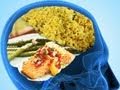
This is How Your Brain Suffers Without Vitamins

One of the significant ways in which vitamin deficiency affects the body is by impacting the cognitive function of the brain. Dementia and impaired memory can stem from improper nutrition.

Vitamin deficiency is not common among older adults in the U.S. With access to virtually any food we want, this is natural. Yet, we do naturally decline as we grow older, and that has to do with nutrients. Most often these are a declining cognitive function (e.g. memory), impaired ability to fight infections (i.e. weakened immune system), and hip fractures and falls (due to weak bones).

Here I’d like to show you the latest findings from the very best studies about how vitamin and mineral supplements can impact memory. The following two articles in my series will then look at the immune system and weak bones angles.

Dementia, in older adults, is unfortunately common. It’s estimated that about 4.5 million people in the U.S. have it, with many others suffering a milder form of cognitive impairment. Dementia’s cause is unknown. One popular theory is that high blood levels of homocysteine (a dangerous amino acid) are linked not only with heart disease, but also with dementia. Since high blood levels of homocysteine are easily lowered by folic acid and vitamin B12, there are many high-quality studies out there that have proved it. Here are some:

— 1992: 76 patients in their 70s. None had impaired memory. Vitamin B6, at 20 mg, improved their ability to store information.

— 2000: 1,430 patients over 65.

They suffered dementia. Vitamin B12 improved language function, thus their ability to communicate improved.

— 2003: 149 patients over 65. They had dementia or cognitive impairment. Folic acid (2 mg) and vitamin B12 (one mg) lowered homocysteine levels in the blood by 30%.

— 2005: 209 patients, average age 65. Found the same result as above with lower doses of the vitamins, as well as three mg of vitamin B6.

— 2006: 276 patients over 65. All three vitamins once again lowered homocysteine levels considerably.

Though these studies are great, they didn’t fully prove that the B-vitamins could improve people’s memory. They simply reduce levels of a harmful substance that deteriorates the memory. So it can be said that these supplements preserve memory. We’re about to learn more about this though, as in the next little while we will see the results of up to seven years of supplements on tens of thousands of people. Stay tuned.

Here are the previous articles in this series:

The Most Important Vitamins as You Age


For More Information Visithttp://www.doctorshealthpress.com

Brain Vitamins

Brain Food Health Tip : Brain Foods

Article by P.R. Green

A healthy brain is the best brain!

However(I am not a doctor so check with your doctor) because what I am about to tell you is that if(that little word again) you really want the lowdown on one(1) of the healthiest brain foods that heads a list, I will explain.

EGGSOne approach is to go to your Super Market Pharmacy and ask for a cup of water because you don’t have any with you(don’t drink it) instead go to the egg section and take one egg out of a carton and place it gently in the water(you break it you pay for it).Next, if the egg does not appear above the water line – it is fresh – if the egg appears anywhere above the water line it is not as fresh depending on how much of the egg shows above water indicates age.

EGG AGE I was looking forward to breakfast at a friend’s home. The lady of the house cracked eggs and stated the eggs were so fresh the yolks would not stay together. Old eggs! I opted for just one and swallowed hard as not to embarass the hostess. There are many other brain foods such as a variety of fish products, vegies, fruits(I have heard fruits should be eaten on an empty stomach, I don’t know, I am not a doctor nor nutritionist).

I prefer boiled or poached eggs. Boiled: cold water,submerged egg in cold water, boil on high heat for 12 min ‘timed’. 2 or more for a photo road trip, handy! Sometimes I place shelled boiled eggs in pickle brine over night. Sure taste good to me.

Other ‘brain foods’Activities you may have heard or read about are activities should be absolutely different from what you normally do, for example, a labor-intensive work day may and probably should be followed by – focus now – exercise! Ridiculous? Not really. Someone I know ‘worked like the devil for her pay’ came home tired, exausted and just plain ‘beat’ 5 and 6 days each week. I suggested exercise, nothing heavy, just limber-types to begin with.

“What do you mean exercise? I work all day, what more exercise do I need?”

I explained: a few head turns, arm waving, foot and leg shaking, lying on the back close to a wall, raise legs, rest heels on the wall – even for a few seconds – a few minutes may be better – then take heels away from wall and shake those legs, pretend bike pedal, etc. Develops good circulation and there are many others – search the internet – good ‘brain food’.

The person referred to above did this into her 90’s – I am pushing 80.

MUSICPick up any instrument, mouth organ, guitar, keyboard, bones, bongos, to demand your brain to think other than about your work, job or normal routine. People are online so much and watching TV. To stay ‘brain-healthy’ the brain must change focus. Switch instruments often to develop brain plasticity and elasticity.

CROSSWORDSThat’s an old one but very useful, even if you are not interested, command your brain to do it as a ‘routine’. Two maybe three times each week. Your brain may not like it but persist for brain health.

ADDITIONALLY, green tea and exercise appears to be the take of the day.

BE WELL AND BRAIN HEALTHY!

BIO: P.R. Green has written articles for Human Interest and Business categories, published in two countries’ magazines and newspaper through New York NY, under various pen names.


Short Term Memory : 7 Major Causes Of Memory Loss

Article by Kevin Green

Many people will have memory lapses from time to time. Most of the time, it’s a small detail that is forgotten, or a fact that can’t quite make it past the tip of the tongue. True memory loss, however, can be a scary thing, and can be a sign of more serious underlying problems.

Whether the trouble is with short-term or long-term memory, if you notice problems remembering facts, figures or faces, the first step is to contact your physician. A trained medical professional has the expertise to take a thorough history, perform a physical examination, and order appropriate testing to identify any pathologic cause for your memory issues, as well as provide therapy to restore your health. Some causes of memory problems can be quite serious, so it is crucial to take action right away.

Listed below are several potential causes of memory loss.

Stroke: Stroke, or a cerebrovascular accident (CVA), can have serious impacts on your memory. A stroke occurs when a portion of the brain is deprived of oxygen, or if there is bleeding into a section of the cerebrum. A person’s deficits, as well as their permanence, depend on several factors, including the cause of the stroke, as well as the portion of the brain that is affected. Sometimes people can have difficulty with short-term or long-term memory. Still other people can have difficulty learning new information, so there is a problem storing memories. Strokes are extremely dangerous and require immediate attention and potentially long-term rehabilitation.

Psychoactive Substance Abuse: Stroke maybe one of the leading causes for short term memory loss among older people but you can see recall problems in younger people as well. Psychoactive substance abuse is considered as a major cause for memory loss among youngsters. Alcohol, drugs and marijuana can cause serious short term memory loss. While many people are quite aware of the health risks associated with drugs like cocaine and heroin, it’s common to underestimate the health impacts of alcohol and marijuana. The latter also can significantly affect a person’s memory by sabotaging concentration and causing cell damage. Inhalant abuse is another abused substance popular with some teens which can also have serious detrimental effects on the brain.

Trauma: Concussions, which are contusions of the brain, can happen with even mild closed head injuries. Some common symptoms of post-concussion syndrome are headaches, nausea, dizziness, difficulty concentrating, and yes, memory-problems. The more severe the trauma, of course, the greater the effect that an injury can have on memory.

Oxygen Deprivation: Intentional or unintentional oxygen deprivation can cause serious damage to the brain. Asphyxiation with bags or choking, or with exposure to harmful chemicals and gases can lead to problems with memory.

Depression: Many people are surprised to learn that depression can present with memory problems. An inability to concentrate is a hallmark of depression, and this can lead to inattention and difficulty taking in the details that will need to be remembered later.

Alzheimer’s disease: Alzheimer’s disease is a degenerative condition of the brain for which millions of dollars in research are spent every year. Alzheimer’s is a form of dementia where people lose much of their memory and forget major portions of their lives. They also have significant difficulty with short-term memory.

Heavy Metal Poisoning: Lead and other heavy metals can cause big problems for brain development and cognitive function with prolonged exposure. This exposure is usually environmental, but can occur with certain occupations or hobbies as well.

These are some of the leading causes for memory loss. Early identification is crucial in all of these conditions, and it is essential to recruit the help of medical professionals to identify and treat the underlying problem.

Kevin Green has studied memory and brain function for years and has created a resource to help people enhance their recall abilities at http://www.LearnToImproveYourMemory.com. Sign up to receive a free 10 part mini-course that covers increasing concentration, memorizing techniques, causes of forgetfulness, and more.


Brain Stress Cycle And Natural Vitamin Supplements

What is stress? All of us in terms of, stress can be seen as a process of interior design starts using the threat of an image that becomes imbalance, in which a person is unable to adapt in a timely manner. Stress is usually done in acute (brief) or chronic (long-term, possibly repeated) stress factors in the body. Examples: Road Rage Against you in traffic this morning triggered an acute stress, while annoying the boss of the work is triggered by chronic stress.


How much of psycho physiological mention that you are “stressed”? Would it be dangerous to you?


Your brain is full of spirit Endeavour mitigate these stressors an additional opportunity for the psycho-physiological homeostasis of the body. A challenge may be due to stress factors for modern humans are different stressors in early humans. First human face only acute stressors and debilitating genetic gave our time to give us two basic options: fight or flight! In any case, the system requires a mode of action, the fight against the more exaggerated the problem acute or run from it.


People these days are facing different stresses. The same chronic or repeated stressors often the case, said an annoying boss requires a response which is certainly not physically fight or flee. His whole body responds in its own way by releasing several primitive biological molecules, the neurotransmitters in the brain that induce the body to take action. But what action is appropriate dummy?


Modern problems require more options, and do not overdo them. This means that smoking and not to “stress” as (s) play stressor at the end.

When the body is prepared activities are extremely acute, it will disable some of your own body systems, such as learning and memory, and gave the presidency to tell others of breathing and pumping oxygen-rich blood to the muscles quickly. Went to the stressor, the body reacts with the balance (homeostasis that is) its systems.


But imagine if the stress continues to repeat, and his body never returns to homeostasis? At this stage, the disease shows its head, is able to turn deadly! People have a wrong understanding, but what? United States, 75% of trips to health are stress-related problems.


Exactly what happens in your body and what you can do to improve your complaint?


The global brain dynamics are to maintain homeostasis in your body if the release of certain neurotransmitters (in particular circumstances, at the molecular level, communicators) is more than feeling the limbic system of the brain. Phylogenetically speaking, the emotional center of the fight or flight is very ancient, pre-modern man. Neurotransmitters (dopamine, serotonin, GABA, and the precursor of adrenaline) cross the blood-brain barrier (BBB) ​​for the full functioning of the body. The brain contains the BBB to help keep the body from harmful molecules in it, and distribute the action of control molecules (neurotransmitters).


The next phase of the neurological system (of which the mind can control the center) was divided by the sympathetic nervous system to quickly move the fight or flight, and the parasympathetic nervous system, an extraordinary opportunity for the homeostasis of the body. Scalping strategies are to coordinate the body’s reaction to the threat and immediately after.


Two possible problems can occur in response to the threat (s):

1. Exaggerated the extent of the acute response.

 2. Extended Solution to chronic repeated threats real or imagined. What serious clinically identifiable symptom as their brain is not advanced enough to automatically handle the threats phylogenetically modern age. Precisely what is called the stress cycle and movements that will communicate with the disease and even death?


What can be done to mitigate, if not solve these things, because the phylogeny of the human race?


When the age of plasticity or changeability within the brain is reduced then a simple treatment of acute, as the amount of pharmaceutical professionals (infection of the approach) are generally insufficient or less. Approach to wellness (preventative maintenance is the best, because of natural supplements for health after a certain time, the advice of your physician you strengthen in acute trauma and strengthens vitality to face chronic threats.

Dr. Mark is the author of this article working for Healthy green that provides the finest organic vitamins, Custom vitamins, condiments and Natural supplements. They also offer organic multivitamin for women during pregnancy. They use all natural and organic ingredients to create our Natural vitamins supplements.  Must see http://www.healthygreen.co/

Brain Vitamins

Short Term Memory : The Amazing Things That Working Memory Can Do For You

Article by Sharon Bell

Did you know that a person is more likely to remember numerical figures if they are composed of only a few syllables? This is the reason why, pilots and radio operators read a number like 450 as four five zero instead of four hundred fifty. The chance that the fellow on the other end of the line will remember the number or code is higher than if the numerical figure is read using the more formal way.

What does it have to do with you? Well, if you are a businessman, you might rethink the way you price your goods or services. Your customers will be able to remember your prices more–thus, set aside money and consider buying your products more than those of your competitors–if your prices have only few syllables when being read.

This is a fine example of the working memory. This concept states that the human memory has a short-term and a long-term component. Your working memory represents your short-term capacity to store information. A strong working memory is valuable in your overall thinking capacity. Here are the various areas where a good working memory comes in handy.

Reading And Comprehension

Remember the IQ tests that you took all your days as a student? Your working memory was tirelessly at work with you untangling all the reasoning and cognitive tasks handed down by the examiner. Unlike long-term memory which serves largely as your brain’s archive, your working memory can coordinate all your mental assets to perform multiple tasks like reading and comprehending what you have just read.

Reading is never a simple mental task. In reality, reading involves a lot of other mental functions that enable you to comprehend what you are reading. From breaking the words into understandable elements to determining their specific order in a sentence, your brain’s working memory is performing complex tasks simultaneously in a lightning-fast pace. Without the short-term memory, these tasks will never be done and you will never understand what you have been reading.

Mathematics

The role that is being fulfilled by the brain’s working memory can not be overemphasized. This part of your thoughts is not only responsible for allowing you to speak, read, and write; it is also up and running whenever you are solving numerical problems. If you are doing rows and rows of addition or subtraction operations without the help of calculators, your short-term memory is the one that allows you to remember how to do the basic mathematical operations, it is also the mental component that stops you from adding or deducting a certain digit for more than once.

For the ordinary shopper who is in a tight budget, being able to keep tab of the total cost of the goods in the shopping cart is important. As for the road warrior, knowing when to refill the fuel tank during a coast-to-coast trip is important if he does not want to spend the night by the roadside. All these seemingly simple tasks are the end results of having good working memory.

For some experts, the short-term memory is utilizing the same system as that of your long-term retention. Others say that these to types of memories are totally different from but closely integrated with each other. Still, other scientists believe that short-term memory is an intricate group of subsystems and not just a single memory component. Whatever it is, having a powerful short-term memory or working memory is a boon to the way you work and live your life.

Come to think of it, the working memory is the standard on which one’s intelligence can be judged upon. Having problems with your working memory can put you in a tight spot. To enhance your memory, never put your brain on a downtime; keep reading and learning. Boost your overall brain power with products like Neurovar. For more details, visit http://Neurovar.com/.

Sharon Bell is an avid health and fitness enthusiast and published author. Many of her insightful articles can be found at the premiere online news magazine http://www.healthnfitnesszone.com.


WEBSITE: www.dancehallhits.com FACEBOOK: www.facebook.com TWITTER: twitter.com I-Octane – Short Term Memory Memory – June 2011 I-Octane – Short Term Memory Memory – June 2011 I-Octane – Short Term Memory Memory – June 2011 I-Octane – Short Term Memory Memory – June 2011 I-Octane – Short…

Vitamins : Vitamins

Vitamins are a major necessity for a healthy life. Vitamin D may reduce the risk of injuries from falls by more than 20 percent in otherwise healthy men and women age 60 and over. Vitamin D has long been known to strengthen bones but new studies indicate it also improves muscle strength. The combination makes injuries less likely when people fall. Vitamin D is helpful whether it is consumed in fortified foods, dairy products, or supplements.

There are 13 known vitamins and each have different roles within the body.

Vitamin A

Vitamin A occurs in two principal forms in nature: retinol, which is found only in animal sources, and certain carotenoids, the best known of which is ‘beta-carotene’ found in carrots and other yellow to red plants. Beta-carotene can be converted to retinol in the body, and it may have a role in protecting against heart disease and cancer.

Vitamin A is essential for vision and adequate growth. Deficiency symptoms include night blindness, hyperkeratinosis of the skin, and xerophthalmia – an eye condition, which if untreated can lead to permanent blindness. Vitamin A deficiency is still widespread in many developing countries.

Vitamin A is found in pumpkins, kumara (sweet potato), apricots, squash, nectarines, peaches, and mangos. It is also found in spinach, broccoli, watercress, asparagus and peas.

The B Group Vitamins

The B group vitamins work as a team to convert food to energy. Vitamin B1 is vital for releasing energy from starchy and sugary foods, while vitamins B2, B6, and niacin help release energy from foods including protein and fats.

If you increase your energy intake, particularly by eating more carbohydrates, your body may need extra vitamin B.

Vitamin B12 and folic acid, together with iron and vitamin C are of major importance to sportsmen and women as they are used in the formation of red blood cells which transport oxygen to the muscles.

Vitamin B1 (thiamine)

Vitamin B1 is essential for the release of energy especially from carbohydrates, functioning of nerves, brain and muscles.

The best source of this is vitamin is from dried brewers yeast. Other good sources include pork, poultry, cereals, nuts and beans.

Vitamin B2 (riboflavin)

Vitamin B2 is found in all plant and animal cells. It is necessary for the release of energy from food and for healthy vision and skin.

Yeast and liver contain the highest amount of this vitamin. It is also found in other meat, eggs and dairy food.

Vitamin B6 (pyridoxine)

This vitamin is required for protein and fat metabolism, red blood cell formation, and the nervous system.

The best sources of this vitamin are liver of beef, pork and chicken. Other sources include cereals, fish, nuts, bananas and wheatgerm.

Vitamin B12 (cobalamin)

Vitamin B12 is necessary for the formation of red blood cells, a healthy nervous system, and is essential for growth.

This vitamin is stored efficiently by the body so a deficiency can take years to develop. Since it is found primarily in animal products, vegetarians are at risk from deficiency unless they take supplements. In its most extreme form, deficiency can lead to megaloblastic anaemia and irreversible degeneration of the spinal cord.

Vitamin E is found in animal meat, particularly liver, kidney, heart and brain. It is also present in yeast extract.

Biotin

This is needed for the manufacture of fatty acid and glycogen, protein metabolism and growth. It is found in egg yolk, liver, wholegrain cereals, and nuts.

Vitamin C (ascorbic acid)

Vitamin C is required for the production of collagen, the ‘cement’ substance that gives structure to muscles, vascular tissues, bones and cartilage. Deficiency causes a weakening of these tissues (scurvy), resulting in capillary bleeding.

Together with beta-carotene and vitamin E, vitamin C forms the trio of antioxidant vitamins now believed to help prevent degenerative diseases such as heart disease and cancer.

Vitamin C is also commonly used as a natural antioxidant, i.e. it is added to foodstuffs to protect colour, aroma or nutrient content, not for its action as a vitamin.

It is essential for the immune system and there is some evidence to show that extra vitamin C may reduce the severity of respiratory infections.

Vitamin C helps iron absorption. Its role in red blood cell formation also helps to transport essential oxygen to exercising muscles.

It promotes healthy body cells, blood vessels, bones and tissues (e.g. tendons and ligaments). It is also necessary for the manufacture of adrenaline.

Vitamin C is not stored within the body so make sure your diet contains a regular supply. It is found naturally in citrus fruits, blackcurrants, Brussels sprouts, strawberries, mango, sweet peppers, parsley, broccoli, kumara, and cauliflower.

Vitamin D

Vitamin D is required for the absorption of calcium and phosphorus from the diet, and is needed for healthy bone growth. It also plays an important role in the proper functioning of muscles, nerves, and blood clotting.

Vitamin D is produced by the action of sunlight on the skin. It is found in wholemilk, margarine, oily fish, and fortified cereals.

Vitamin E

Vitamin E is vital to the formation and normal function of red blood cells and muscles.

Vitamin E is a powerful antioxidant which helps to protect cells from damage by free radicals.

Polyunsaturated fats in our diets are protected from damage by vitamin E. Polyunsaturated fats, which are found in vegetable and fish oils, are essential for the normal function of cells in the body.

Together with beta-carotene and vitamin C , vitamin E forms the trio of antioxidant vitamins now believed to have a preventive effect on degenerative diseases such as heart disease or cancer.

The largest sources of vitamin E are vegetable oils including peanut, soya, palm, sunflower etc. Other sources include nuts, seeds, whole grains and leafy green vegetables.

Folic acid

Folic acid plays an important role in the metabolism of desoxyribonucleic acid (DNA) and ribonucleic acid (RNA), the carriers of genetic information in all living things. It is necessary for the formation of red blood cells and regulating growth cells.

Severe folic acid deficiency in humans results in megaloblastic anaemia. Folic acid reduces the risk of neural tube birth defects when consumed in adequate amounts by women before and during early pregnancy. For this reason, the enrichment of cereal products with folic acid is compulsory in the USA.

Folates are found in a wide variety of foods. The richest sources are liver, dark green leafy vegetables, beans, wheat germ and yeast. Other sources are egg yolk, fortified cereal, milk and dairy products.

Vitamin K

Vitamin K is needed primarily for the blood-clotting mechanism which prevents bleeding to death from cuts and wounds or internal bleeding.

The best plant sources of vitamin K are green leafy vegetables such as spinach, broccoli, cabbage and lettuce. Other sources include tomatoes, potatoes, oats, egg yolk, asparagus, butter and cheese.

Niacin

In the body, niacin is responsible for using the energy provided by food. Niacin is essential for growth and is involved in the production of hormones in the body.

Yeast, liver, poultry, lean meats, nuts and legumes contribute the largest amounts of niacin in food. Milk and green leafy vegetables contain smaller amounts.

Pantothenic acid

Pantothenic acid belongs to the group of B vitamins. It plays a key role in the maintenance and repair of all cells and tissues, the metabolism of fats and carbohydrate, and healthy skin and hair growth.

Pantothenic acid requires vitamin A, vitamin B6, vitamin B12, folic acid and biotin in order to function properly.

It is found in vegetables, liver, yeast extract, kidney, eggs, nuts and bread.

[http://www.starherb.com]

Article Source:
http://EzineArticles.com/?expert=Rajkumar_Khatri

More Vitamins Articles

Easy Ways to Improve Your Short Term Memory

Forgetfulness can be a very challenging situation to contend with. No matter what the source of the problem is, if you are experiencing difficulty recalling important information, your life will be a great deal more problematic on the whole. Everybody has minor memory slip-ups now and then. However if it begins to lead to difficulties in your life, you have in all probability allowed it to continue for too long without endeavoring to improve the situation.

If you notice that you have good long term recall but can’t entirely bring to mind events that took place a short time ago, there are a number of short term memory enhancement techniques that can give you truly amazing results. These exercises will help to build up the short term part of your brain and keep it functioning well. It’s essential, though, that you perform them repeatedly. It’s not a one time activity.

The greatest difficulties arise when individuals simply permit their brainpower to decline. While you are studying in school and are learning continually, you are utilizing your brain all the time. But as soon as you are done with school, you will discover that you are reading and thinking much less. In all probability, you simply wake up in the morning and head out to your job and look after your other day to day responsibilities. However, you are probably not challenging your intellect like you did in the past.

This is going to have damaging results through time. Therefore, before serious problems arise, you ought to consider utilizing certain memory enhancement methods that will help your mind remain active and your memory sharp.

An illustration of a short term memory enhancement exercise that you could experiment with is to begin linking individuals’ names with a mental image, like flowers or food.

You most likely fail to remember people’s names fairly regularly if you suffer from short term memory difficulties. Therefore not only is this method going to protect you from feeling foolish if you bump into that individual for a second time and fail to remember their name, but it will also help to build up the short term region of your brain.

One more useful memory enhancement exercise that you might wish to try out is to try doing activities that are out of the ordinary, or change up your normal habits in a challenging way. This could be something as uncomplicated as brushing your teeth several times a week with your non-dominant hand. This way you are making your brain exert itself to get the job accomplished, and strengthening it accordingly.

Experts believe that it’s possible to improve short term memory at any point in your life. Whether you’re having difficulty remembering important information because your life is just too hectic, or you’re experiencing normal memory loss that goes along with getting older, you can do something about it. Learn more at Improved Memory.

Short Term Memory

Short Term Memory : How Does Memory Work?

Article by Martin Davie

The discipline that investigates the internal processes of thought such as learning, visualisations, memory, feeling, sounds, problem solving, language and thinking is known as Cognitive Psychology.

On a daily basis our senses are subjected to a flood of information and his information is constantly stored in memories. Many experts working in cognitive psychology suggest that there are three ways we store these memories, and this system acts as a sort of filter to protect ourselves from this information onslaught.

The three storage systems are: Sensory, Short Term, Long Term.

The sensory memory retains an exact copy of what is seen or heard (visual & auditory) at that moment. It’s your sensory memory that allows a perception such as a visual pattern, a sound, or a touch to linger for a brief moment after the stimulation is over. The memory is stored for a few seconds at most, many experts suggest only a fraction of a second. It has been claimed that Sensory Memory has unlimited capacity.

Short Term memory simply means that you are retaining the information for a short period of time. There isn’t the need to create the neural mechanisms for later recall. For example, maybe you are looking for your car keys as you are about to head out of your building. A friend advises you that the keys are on a table next to the door. You only require storage of that memory until you walk over to pick up the keys. Short term memory is often stored as sounds, especially in recalling words, but may be stored as images as well. Similar to a Computers RAM (Random Access Memory) it provides space for short computations before either discarding the information or moving it to other storage facilities in the memory system. Similar to a computer where you can loose a document, for example, if you don’t save it – a short term memory is also susceptible to loss through interruptions or interference.

Long term memory is relatively permanent storage. Neural pathways are created for storing ideas and information which can be recalled weeks, months, or even years later. Information is stored on the basis of meaning and importance, and is gradually transferred from short-term memory into long-term memory. The more the information is repeated or used, the more likely it is to eventually end up in long-term memory, or to be “retained.”. To create the neural pathways requires deliberate effort. Interest in the topic obviously helps. Repetition and rehearsal of information, especially auditory, assists in recall. In studying mathematics, for example, learning the times table by rote is something many people will use for recall throughout their whole lives. The limits of the capacity of our long term memory are not known.

Some strategies to improve long term memory include:Be attentiveRehearse or repeatChunkingMnemonic techniquesVisualisationsExternal aidsBeing organisedThese techniques can be reviewed in the article “Increase your brain power with 7 quick memory tips”.

Discover further ideas how to become a mental giant by downloading your free report entitled “Improve Your Memory” from http://www.paradigmshiftstoday.com/improveyourmemoryreport.html

Martin Davie is a specialist trainer and consultant working with Small Team Leaders in Australia and New Zealand. He is also trains and writes on aspects of personal productivity, time management and goal setting.

www.knowledgeaspects.comhttp://blog.leapfrogpd.com.au/


Related Short Term Memory Articles

Short Term Memory-Making Remembering Fun : Short Term Memory

Article by Dave Pipitone

When you try to teach subject or information to children, you will make fast progress when you making learning fun and enjoyable. For example, turning an activity into a game will get kids looking forward to each and every lesson.

Not only will children anticipate learning time as “fun time,” having that fun will actually help “hardwire” the information into their brains. For that reason, if you’re wondering how to improve the short term memory in children, just turn it into a game and they will pick up whatever you’re trying to teach them in no time at all.

Remember This

Remember that memory game we all played as kids? You can use a set of cards, pictures, or even words printed on index cards. First, shufifle all of the objects and turn them face down on the table or floor. One player starts by turning any two objects face up. If the pictures, words or cards match, you take the pair and put it on your side. If the objects don’t match, you turn them back over, face down. It is the next person’s turn.

Then the next person selects two objects and turns them over when it is their turn. The one with the most pairs of cards wins the game. This game helps your brain to remember where certain objects are so that you can match them up and win the game. Playing the memory game is a lot of fun whether a child plays alone or with other children. It’s a great family game, too.

So if you’re wondering how to improve the short term memory in children, why not have them play the memory game? You can pick up the memory game at any children’s or toy store, or you can make your own with a little bit of artistic ability and set of matching objects, like putting numbers or pictures on index cards. As the kids keep choosing the right cards, you will know they are improving their skill and increasing their short term memory.

Hearing and Remembering

If you’re wondering how to improve the short term memory in children, remember to focus on the auditory part of that short term memory. Have you ever seen children play sound games? They love sound games. Simply repeat a list of items, such as a series of people names. Tell the children to listen very closely. When you are finished saying the list, give them a sheet of paper and ask them write down the items as best as they can remember.

As the children improve, put more items on the list and play the game until they can repeat the list automatically. This is an effective method to improve the short term memory in children that is also fun to do.

Reward Their Memory

Remember, whenever you’re playing a game with children, such as when you’re wondering how to improve the short term memory in children, make sure you have some sort of reward system in place. When the children think they’re going to be rewarded for winning these games, they will try that much harder and will pick up the information in no time.

The rewards you give for winning the game don’t have to be big or expensive. The incentives should be enough to make them want to make their short term memories more accurate. So, have the kids boast a little when they remember better and reinforce it with praise. A little friendly competition against kids to see who remembers best when you’re playing with them helps, too. That is how to improve the short term memory in children.

Dave Pipitone is webmaster of / www.remember-things.com which offers information and resources you can use to improve your memory.


This is an edited version of the BBC documentary ‘Man without a memory’ (www.youtube.com It shows the essence of Clive’s disability (and it’s pretty sad to watch too!). Post-view question to ponder: do you think Clive is happy?
Video Rating: 4 / 5

Tips and Secrets for a Better Memory
Tips and Secrets to improve your memory fast and comfortably with a positive result all round The methods and exercises recommended here are effective and will enhance your memory in short period
Tips and Secrets for a Better Memory