Tag Archives: Food

Brain Food Diet

Much of a brain cell’s structure is made up of what are called “healthy fats”. The most important of these are the Omega-3 fatty acids. As your brain repairs itself and grows new neurons, it needs an abundant supply of Omega-3s from your diet.

The brain is the largest user of oxygen of all the different organs so any change in blood flow to the brain quickly effects its ability to function. Reducing fats is important in keeping those arteries free. In fact, researchers have noted that reduced blood flow is a contributing factor in cognitive decline in older people. Protecting your blood supply to the brain is critical in keeping function longer as you age.

Fish, for example, especially salt-water fish, is a good source of iodine. Before iodine was routinely added to salt, many people who lived inland lacked this mineral in their diets. This often caused a condition called goiter, where the thyroid gland enlarges and production of the thyroid hormone, thyroxine, decreases. Thyroxine is necessary for proper mental function. When a person who suffered from iodine deficiency ate fish, the thyroid was stimulated into producing more of the essential hormone. The person usually became alert and able to think clearly.

Vitamins and minerals are the building blocks of your brain. The brain needs a sufficient amount of Vitamins C, B12 and B6. Citrus fruits and cranberries are rich in Vitamin C. Vitamin B6 can be found in ready-to-eat cereals, potatoes and beans such as garbanzos.

Vitamin B12 is especially important because it keeps nerve cells healthy and active. Liver, beef and seafood such as mollusks provide a healthy dose of Vitamin b12.

This is the most important thing for a person to be able to have a sensible and in the right frame of mind. The relativity is very great that we should always think twice about the food that we are going to eat. If you do not know or does not have an inkling of that kind of food that you should eat, I will give you some advice that would surely become an eye opener to you. So, here is the list of food that you should eat and put together in your menu.

Fats are not totally villains, they are actually good guys when it comes to your brain. They are especially important and useful to Neurons. Fats made up about 33% of your brain. And we are talking here about good fats – fatty acids which your brain needs to perform complex, intricate functions properly.

Wild Salmon – Fish has long been known to be a great brain food choice. Wild salmon is probably the best choice of all because it is one of the best sources of Essential Fatty Acids, particularly Omega-3 without the contamination found in many species of deep sea fish. Some farm raised salmon is beneficial depending on the source but you really need to be careful. Other good seafood choices are sardines and smelts, both small fish with small livers that limit the amounts of mercury they can store.

Your brain food supplements should consist of fish, which is rich in DHA-omega-3 fatty acids that are very essential for the brain synapses and insufficient or lack of this nutrient hampers the intellect and can cause the onset of Dementia. And strict vegetarians can consume pumpkin seeds, flax seeds or walnuts that also contain omega-3 fatty acids. Eggs contain choline that is supposedly good for improving your memory.

Brain Foods

Vitamins : Which vitamins and vegetables more important? – Vitamins, vegetable – Food Industry

Article by hi joiney

Vegetables, especially colored vegetables are rich in vitamins, vegetables are the main source of vitamin needed by the body one. Life, many people eat more vegetables is low, the Council take vitamin preparations to add; there are a lot of people think that vegetables rich in vitamin, so there is no need to take vitamin preparations. Both practices are one-sided, because vegetables and vitamins can not replace each other’s.

HC food industry network As we all know, vegetable, especially colored vegetables are rich in vitamins, vegetables are the main source of vitamin needed by the body one. Life, many people eat more vegetables is low, the Council take vitamin preparations to add; there are a lot of people think that vegetables rich in vitamins, so there is no need to take vitamin preparations. Both practices are one-sided, because vegetables and vitamins can not replace each other’s.

One hand, the vitamin can not replace vegetables.This is because the vitamins in vegetables is in accordance with the existence of a certain percentage of natural ingredients and vitamins are mostly synthetic, the two will be different in nature; vegetables are the collection of a variety of vitamins, vitamin preparations mostly single (of course there are exceptions); vegetables and some, though not the role of vitamins, but the human body similar to natural substances and vitamins (some call it the “vitamins”), such as bioflavonoids, chlorophyll, and so on vegetables The role of health is more comprehensive; course vegetables also contain minerals, trace elements, carbohydrates, cellulose and other non-vitamin nutrients, nutrition more comprehensive.

Therefore, would like to use vegetables instead of vitamin preparations is almost impossible. Eating vegetables is low, while also taking vitamin C or the practice of taking other vitamins, but expedient, it is fully balanced diet, the fruits and vegetables to eat far more important to eat vitamins. In addition, the prevention of cancer, vitamins are no substitute for vegetables, eat more vegetables can prevent many types of cancer, which has been recognized nutrition experts around the world; the vitamin can prevent certain types of cancer results are not consistent.

The other hand, vegetables are not a substitute for vitamin preparations.On vitamin C, this is because:First, not all vegetables are rich in vitamin C, unless you carefully select the green, red and purple vegetables and fruits that include Chilli , Spinach, tomatoes, cauliflower, bitter melon and citrus fruits, red fruits, strawberries, oranges, kiwi fruit and jujube, and eat a pound a day and half a catty of vegetables and fruits, including dark and light half and half, Otherwise it is difficult to meet the daily needs of 100 mg of vitamin C. This is why, according to statistics, about 30% of our country were the reasons for the lack of vitamin C.

Secondly, vitamin C is water-soluble components, so in vegetables, it is easy to lose; vitamin C afraid of high temperature, cooking or heating when the temperature is too high for too long, such as stews, casseroles, etc., vegetables, vitamin C will be a lot of damage; Vitamin C also is likely to be oxygen in the air oxidation of stored fruits and vegetables longer, the greater loss of vitamin C. So unless with the correct cooking methods, or even choose the color of vegetables, it is difficult to meet the daily 100 mg vitamin C needs.

Third, even if the choice of vegetables and fruits rich in vitamin C, and use the correct cooking methods, it is difficult to obtain large doses of vitamin C, such as 400 mg per day. If you want to receive 400 mg of food per day of vitamin C, you need to eat 1 kg of oranges per day, or 2 kg spinach or 8 2 Garlic Tomato seedlings, or 1.5 kg. Therefore, food is not entirely dependent on large doses of vitamin play the role of health care.

The e-commerce company in China offers quality products such as CNC Machining Parts Manufacturer , Sheet Metal cabinet, and more. For more , please visit Machining Parts today!


Related Vitamins Articles

Detox Weed At Home – Brand New Product!
Detox Marijuana At Home! Proven Vendor With Tested High Quality Product Converting Like Crazy! Become An Early Affiliate And See Many Sales – Only Early Days Yet!
Detox Weed At Home – Brand New Product!

Brain Foods : Eating For Health, What About Brain Food?

Nowadays, it is always our topmost concern to eat a balanced diet and healthy food that would supplement and completes our body. We always strive to take those that will make us physically strong, trim, and fit. That more often, we tend to neglect a[art of the body that needs nourishment, too. It is an important part of body that also needs the quality food that it deserves so that it may function well and to the fullest, too. This is our brain. We should not only be concern about the food that we eat that eventually makes sour body healthy.

We also have to consider and give much thought on providing the food that will improve our brain function. These so-called “brain foods” will be maximizing our brain’s potentials so that we may be able to use it well. A diet that is heavy and healthy with, for instance, with the fatty acids of omega-3. These can keep and help the vessels of blood of our brain to clear of the unwanted blockages and eventually allow the nerve cells eventually to really function at its highest level

This is a good reminder for you to eat your fish at least two times a week since it is a major and important material of omega-3s, or you can also start taking a supplement.

And if it is important that we know the good food for the brain, it is also equally important to recognize and know the foods that can also diminish our brain power. For a start, some drugs and alcohol, of course, can really kill our brain’s cells directly, but other than these, there are also many that are alarmingly less obvious foods that attack our brain. Those foods that clogged the artery can eventually lead to the act of restricting the blood flow directly to the brain, and those foods called high-glycemic-index, on the other side, can cause those blood-sugar swings that can really make both our body and our mind sluggish and irritable.

The following foods are considered Good Brain Foods:

Collard greens
Peas
Avocados
Bananas
Chicken
Potatoes
Beef, lean
Eggs
Romaine Lettuce
Brewer’s yeast
Flaxseed oil
Salmon
Broccoli
Legumes
Spinach
Brown rice
Milk
Tuna
Brussels sprouts
Oatmeal
Turkey
Cantaloupe
Oranges
Wheat Germ
Cheese
Peanut Butter
Yogurt

On the other hand, the following are the Bad Ones:

Bad Brain Foods
Drinks with High sugar
Alcohol
Hydrogenated fats
Artificial food colorings
Junk Sugars
Artificial sweeteners
Nicotine
Colas
Overeating
Corn syrup
White Bread
Frostings

Accordingly, it is said that the best food for our brain are the complex carbohydrates. Since the molecules here are taking a long time, it will take longer for our intestines to eventually break them down into some simple sugars that our body can utilize. Hence, they can provide a steady energy source instead of a surge that is usually preceded by a plunge.

Take note that how we prepare and how we eat our food can also affect the way that our brain and body uses them. For example, when you eat sugar-loaded food after eating a meal with legumes can actually slow the sugar absorption; therefore preventing the thing called “sugar blues.”

Info is that proteins can also influence brain performance since they give out amino acids, and it is a fact that neurotransmitters are taken out of them. There are neurotransmitters that carry the needed signals from one brain cell and bringing it to another. So, the better that you take care of these messengers the surer you are of a more efficient delivery of these goods.

Then, amino acids like tyrosine and tryptophan are forerunners of neurotransmitters; these are the substances that make up neurotransmitters. You have to know that tryptophan is really an important amino acid and that it must be taken from your diet. And that tyrosine is really not a vital amino acid especially since the body can make it once there is a need for it.

One final note for all of us. Eating the right food in really helps, but it is important and try not to forget that even more when you have it out. This is why we can also give credit to fiber as the unrecognized brain food hero. So, include also a diet that is healthy with fibers.

Hal Johnson has been writing articles for nearly 4 years. Come visit his latest website Lamp Globes which helps people find information on Silk Lamp Shades and deals on all other types of lamps.

Article Source:
http://EzineArticles.com/?expert=Hal_Johnson

Master Your Brain, Now
Unleash The Stunning Power Of Your Brain: Secrets From The Latest Brain Scan Research. Be The Architect Of Your Own Brain. Better Sex, More Money, Better Health, Higher Intelligence, Increased Happiness, Start Now.
Master Your Brain, Now

Brain Power : A Simple Guide to Brain Power Food

Your grandmother probably told you when you were a kid to make sure that you ate plenty of healthy foods such as vegetables and fish to keep your mind and body strong. Turns out she was definitely right. There are many types of brain power food that contribute to the overall health and optimal functioning of the brain.

The brain is able to function at peak efficiency when it is provided with the right amount of fuel in adequate amounts. In many ways the brain is much like a machine. Just as any machine, including vehicles, cannot possibly function without the correct fuel, neither can your brain. Brain power food provides your body with the fuel it needs to handle all of those important tasks it must perform.

Of course, observing good nutrition is always important to make sure that your entire body receives adequate nutrients; however, it is also important to focus on specific types of brain power food that will target the efficiency of your brain. By understanding which types of foods are best for your brain, it can be an easy task to begin shopping for the right foods to boost your brain power.

There are three basic nutrients the brain needs to ensure it remains alert and sharp at all ages. First, your brain requires proteins. Think of proteins as sort of the key to start the ignition in your brain. Proteins are what helps your brain to get ready for thinking and much more. Specifically, the neurotransmitters within your brain requires an adequate supply of essential amino acids in order for your neurotransmitters to be able to communicate effectively for one another. This type of communication is essential for not only processing information but also building new brain cells as well. To ensure your body has the essential amino acids it needs, consider such brain power foods as lean meat, eggs, poultry and dairy products.

Many people are not aware of it but their brains also require some fats to remain healthy as well. In fact, the brain is largely comprised of fatty tissue weighing approximately three pounds. Of course, eating just any kind of fat will not help you boost your brain power. Instead, you need to make sure you consume the right amount of fat; Omega 3 and Omega 6 essential fatty acids. These nutrients can be found in tuna and salmon as well as walnuts, flax seeds and peanuts.

Finally, your brain requires micro-nutrients for proper functioning. This type of brain power food works to protect your brain cells as well as benefit your overall health. You can find antioxidants in fruits and vegetables; particularly green leafy vegetables and those fruits with bright colors. For even more benefit, make sure you choose organic fruits and vegetables.

Making sure your diet includes a healthy amount of these three nutrients with a good balance of brain power food, you can help to protect your brain from the ravages of time.

From neurons to brain wiring, Dr. David Walsh gives an easy-to-understand tour of children’s and teens’ brain development and the impact of experience on the “wiring’ of their brains. Children are shaped by the stories they see and hear from parents, relatives, and teachers which pass on values, attitudes, and affect emotional and physical well-being. More than ever, media has become a powerful storyteller in children’s lives and raising healthy kids in the media age involves making wise media choices.
Video Rating: 4 / 5

Brain Foods : Brain Food Diets Make a Person Smarter – Myth Or Fact?

The idea that eating certain “brain foods” such as fish and eggs could make a person smarter has been in existence for centuries. Unlike most miracle-food rumors, these claims have some basis in fact.

Fish, for example, especially salt-water fish, is a good source of iodine. Before iodine was routinely added to salt, many people who lived inland lacked this mineral in their diets. This often caused a condition called goiter, where the thyroid gland enlarges and production of the thyroid hormone, thyroxine, decreases. Thyroxine is necessary for proper mental function. When a person who suffered from iodine deficiency ate fish, the thyroid was stimulated into producing more of the essential hormone. The person usually became alert and able to think clearly.

The idea that eating eggs will make a person smarter also may have slight merit. Egg yolks, as well as liver and legumes, are rich sources of a substance known as lecithin. In the body, lecithin is broken down into its components, one of which is choline. Choline aids in the production of acetylcholine, which helps transport nerve impulses to the brain.

Brain-food diets, however, have become more sophisticated and complicated than merely fish and eggs. Today, several intricate diet plans outline exact amounts of specific foods at particular time of the day, claiming that this eating pattern will increase a child’s IQ by 15 or more points.

The basic principle behind some of these diets is sound. Good nutrition during pregnancy and in the first few years of life will provide a better chance for intelligence in later life. Poor nutrition, after all, can affect all the body’s organs and systems, including the brain and the nervous system. In the fetus, the brain grows the cells in the brain continually divide and increase in number. After the infant is born, brain growth occurs as the cells increase in size as well as numbers. When the infant is approximately 18 months of age, the number of cells in the brain stops increasing, but the existing cells continue to grow in size. Brain cell growth continues until the child is approximately 5 years old.

Severe malnutrition at any time in this developmental process can stunt brain growth. If the fetus and the newborn are not properly nourished, the result may be fewer brain cells. If the child is malnourished between the ages of 18 months and 5 years, the permanent size of the cells in the brain may be smaller than normal. Both of these conditions could result in reduced mental capacity. Good nutrition during Pregnancy and the early years is thus vital.

Proponents of brain-food diets prescribe food plans that are rich in egg yolks, fish, peanut butter, cheese, yogurt, meat, dried beans and other vegetables. Most of these diets are relatively high in fats – up to 50 percent. (Fat is thought to be vital for proper formation of the brain cells and for construction of the protective shields around these cells.) Brain-food diets often prescribe nutrients in roughly the same concentrations that would be found in human breast milk. Besides the 50 percent fats, these diets usually consist of anywhere from 35 to 45 percent complex carbohydrates, and 5 to 15 percent protein. This proportion of fat in the diet of a child older than 6 months can cause later problems with weight and heart disease.

Parents should evaluate these diets the way they would any other food plan. If the specific brain-food menu concentrates too heavily on any particular food or food group, chances are that it is not a suitable program for a growing, developing child.

It should be made clear, however, that there is no evidence to support the claim that adhering faithfully to a brain-food diet while pregnant or placing a child on a brain-food regimen will produce a genius. Mental capacity, after all, is determined by more than diet.

As you are now well aware, the right Diet is an important part of your overall health plan, lowsugar-recipes.com provides a large variety of healthy recipes for a balanced diet. Subscribe too to our blog for continuous tips on healthy food and recipes. Eat healthy, stay healthy!

Article Source:
http://EzineArticles.com/?expert=Sara_Marshall

Eating For Health, What About Brain Food?

Nowadays, it is always our topmost concern to eat a balanced diet and healthy food that would supplement and completes our body. We always strive to take those that will make us physically strong, trim, and fit. That more often, we tend to neglect a[art of the body that needs nourishment, too. It is an important part of body that also needs the quality food that it deserves so that it may function well and to the fullest, too.  This is our brain. We should not only be concern about the food that we eat that eventually makes sour body healthy.

We also have to consider and give much thought on providing the food that will improve our brain function. These so-called “brain foods” will be maximizing our brain’s potentials so that we may be able to use it well. A diet that is heavy and healthy with, for instance, with the fatty acids of omega-3. These can keep and help the vessels of blood of our brain to clear of the unwanted blockages and eventually allow the nerve cells eventually to really function at its highest level

This is a good reminder for you to eat your fish at least two times a week since it is a major and important material of omega-3s, or you can also start taking a supplement.

And if it is important that we know the good food for the brain, it is also equally important to recognize and know the foods that can also diminish our brain power. For a start, some drugs and alcohol, of course, can really kill our brain’s cells directly, but other than these, there are also many that are alarmingly less obvious foods that attack our brain. Those foods that clogged the artery can eventually lead to the act of restricting the blood flow directly to the brain, and those foods called high-glycemic-index, on the other side, can cause those blood-sugar swings that can really make both our body and our mind sluggish and irritable.

The following foods are considered Good Brain Foods:

Collard greens Peas Avocados
Bananas   Chicken Potatoes
Beef, lean Eggs Romaine Lettuce
Brewer’s yeast   Flaxseed oil Salmon
Broccoli Legumes   Spinach
Brown rice   Milk   Tuna
Brussels sprouts Oatmeal Turkey
Cantaloupe Oranges Wheat Germ
Cheese   Peanut Butter Yogurt

On the other hand, the following are the Bad Ones:

Bad Brain Foods   Drinks with High sugar

Alcohol   Hydrogenated fats
Artificial food colorings   Junk Sugars
Artificial sweeteners Nicotine
Colas   Overeating
Corn syrup   White Bread
Frostings

Accordingly, it is said that the best food for our brain are the complex carbohydrates. Since the molecules here are taking a long time, it will take longer for our intestines to eventually break them down into some simple sugars that our body can utilize. Hence, they can provide a steady energy source instead of a surge that is usually preceded by a plunge.

Take note that how we prepare and how we eat our food can also affect the way that our brain and body uses them. For example, when you eat sugar-loaded food after eating a meal with legumes can actually slow the sugar absorption; therefore preventing the thing called “sugar blues.”

Info is that proteins can also influence brain performance since they give out amino acids, and it is a fact that neurotransmitters are taken out of them. There are neurotransmitters that carry the needed signals from one brain cell and bringing it to another. So, the better that you take care of these messengers the surer you are of a more efficient delivery of these goods.

Then, amino acids like tyrosine and tryptophan are forerunners of neurotransmitters; these are the substances that make up neurotransmitters. You have to know that tryptophan is really an important amino acid and that it must be taken from your diet. And that tyrosine is really not a vital amino acid especially since the body can make it once there is a need for it.

One final note for all of us. Eating the right food in really helps, but it is important and try not to forget that even more when you have it out. This is why we can also give credit to fiber as the unrecognized brain food hero. So, include also a diet that is healthy with fibers.


Hal Johnson has been writing articles for nearly 4 years. Come visit his latest website Lamp Globes which helps people find information on
Silk Lamp Shades and deals on all other types of lamps.


Novato, CA (PRWEB) November 19, 2013

Green Swan Inc., a champion of safer cell phone usage, today announced the official launch of The Cell Spacer, a device that puts distance between a mobile phone users head and headset to help consumers ensure compliance with FCC and industry standard regulations for safer cell phone use. The launch of The Cell Spacer comes amid increasing concern in Europe for consumer safety when using mobile devices.

“It is important that people understand that there are real risks associated with exposure to the radiation emitted by cell phones and similar gadgets,” says Olle Johansson, Ph.D. at Swedens Karolinska Institute in the Department of Neuroscience. “We know that exposure to this radiation may impact DNA, leading to possible cancer risks, and also affects male and female germ cells and fertility. Beyond government regulations, it is imperative that each person educates themself and employs safer methods when using their mobile devices. The complete lack of biologically-based exposure standards or hygienic safety levels by our health protection agencies, and the lack of preventive actions, can turn out to be a huge mistake. To not act today would be deemed ethically and morally completely corrupt in the future.”

The reclassification of cell phone radiation as a “carcinogenic hazard” in May of 2011 by the World Health Organizations International Agency on Research for Cancer (IARC) was a key turning point in the battle to shed light on the connection between exposure to cell phone radiation and adverse health effects. However, while the U.S. remains idle in spite of ever mounting studies, many European nations are pursuing precautions to reduce childhood exposure to cell phone radiation and help their citizens use their mobile devices more safely. Below are just some recent actions by leading European nations to better protect their citizens.

Food for The Brain

Our Brains also need appropriate food for their comprehensive development. There are some nutritions that might increase mental alertness, mental stamina and improve short and long term memory. These nutritions are gathered in some kinds of food that listed below:


Blue Green Algae has such a complete nutritional profile, available in forms that are at once accessible and well superior to any other food or supplement on the market it has become the focus of much attention in the health food industry.


Research has established it’s not only what you consume, but what your body absorbs that’s important. Microalgae, living at the beginning of the food chain, supplies the simplest form of balanced, whole food nutrients.


Blue green algae has a very nourishing, easily digested, soft cell membrane, comprised of a glucolipoprotein complex. This allows speedy absorption of vital nutrients with 95% assimibility, at virtually no cost to the body’s digestive energy supplies. Most of the nutrients in AFA are active and in configurations that are directly available by the body.


Blue green algae is rich in B-vitamins, actually, the highest vegetable source of B-12, ( The “rejuvenation and energizer” vitamin, builds red blood cells, and repairs the nervous system.) and beta-carotene. Beta-carotene is heralded as and immune booster, powerful detoxifier, anti-oxident, cancer preventative.


The discovery of the incredible nutrient value concentrated in AFA, Aphanizomenon Flos Aquae, an ancient blue-green microalgae, that increases mental alertness, mental stamina, improves short and long term memory, has popularized this nutritious dense whole food that comprises more protein, B12 and chlorophyll than any other food source.


Expert advice on fitness equipment likes of treadmills, exercise bikes, elliptical cross trainers and heart rate monitors at Argos Sports. Fitness & exercise specialists.


Worcester, MA (PRWEB) November 14, 2013

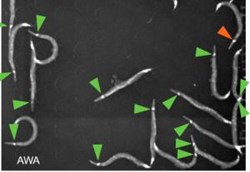
A research team at Worcester Polytechnic Institute (WPI) and The Rockefeller University in New York has developed a novel system to image brain activity in multiple awake and unconstrained worms. The technology, which makes it possible to study the genetics and neural circuitry associated with animal behavior, can also be used as a high-throughput screening tool for drug development targeting autism, anxiety, depression, schizophrenia, and other brain disorders.

The team details their technology and early results in the paper High-throughput imaging of neuronal activity in Caenorhabditis elegans, published on-line in advance of print by the journal Proceedings of the National Academy of Sciences.

One of our major objectives is to understand the neural signals that direct behaviorhow sensory information is processed through a network of neurons leading to specific decisions and responses, said Dirk Albrecht, PhD, assistant professor of biomedical engineering at WPI and senior author of the paper. Albrecht led the research team both at WPI and at Rockefeller, where he served previously as a postdoctoral researcher in the lab of Cori Bargmann, PhD, a Howard Hughes Medical Institute Investigator and a co-author of the new paper.

To study neuronal activity, Albrechts lab uses the tiny worm Caenorhabditis elegans (C. elegans), a nematode found in many environments around the world. A typical adult C. elegans is just 1 millimeter long and has 969 cells, of which 302 are neurons. Despite its small size, the worm is a complex organism able to do all of the things animals must do to survive. It can move, eat, mate, and process environmental cues that help it forage for food or react to threats. As a bonus for researchers, C.elegans is transparent. By using various imaging technologies, including optical microscopes, one can literally see into the worm and watch physiological processes in real time.

Numerous studies have been done by worm labs around the world exploring various neurological processes in C. elegans. These have typically been done using one worm at a time, with the animals body fixed in place on a slide. In their new paper, Albrechts team details how they imaged, recorded, and analyzed specific neurons in multiple animals as they wormed their way around a custom-designed microfluidic array, called an arena, where they were exposed to favorable or hostile sensory cues.

Specifically, the team engineered a strain of worms with neurons near the head that would glow when they sensed food odors. In experiments involving up to 23 worms at a time, Albrechts team infused pulses of attractive or repulsive odors into the arena and watched how the worms reacted. In general, the worms moved towards the positive odors and away from the negative odors, but the behaviors did not always follow this pattern. We were able to show that the sensory neurons responded to the odors similarly in all the animals, but their behavioral responses differed significantly, Albrecht said. These animals are genetically identical, and they were raised together in the same environment, so where do their different choices come from?

In addition to watching the head neurons light up as they picked up odor cues, the new system can trace signaling through interneurons. These are pathways that connect external sensors to the rest of the network (the worm brain) and send signals to muscle cells that adjust the worm’s movement based on the cues. Numerous brain disorders in people are believed to arise when neural networks malfunction. In some cases the malfunction is dramatic overreaction to a routine stimulus, while in others it is a lack of appropriate reactions to important cues. Since C. elegans and humans share many of the same genes, discovering genetic causes for differing neuronal responses in worms could be applicable to human physiology. Experimental compounds designed to modulate the action of nerve cells and neuronal networks could be tested first on worms using Albrechts new system. The compounds would be infused in the worm arena, along with other stimuli, and the reaction of the worms nervous systems could be imaged and analyzed.

The basis of our work is to combine biomedical engineering and neuroscience to answer some of these fundamental questions and hopefully gain insight that would be beneficial for understanding and eventually treating human disorders, Albrecht said.

About Worcester Polytechnic Institute

Founded in 1865 in Worcester, Mass., WPI was one of the nation’s first engineering and technology universities. Its 14 academic departments offer more than 50 undergraduate and graduate degree programs in science, engineering, technology, business, the social sciences, and the humanities and arts, leading to bachelors, masters and doctoral degrees. WPI’s talented faculty work with students on interdisciplinary research that seeks solutions to important and socially relevant problems in fields as diverse as the life sciences and bioengineering, energy, information security, materials processing, and robotics. Students also have the opportunity to make a difference to communities and organizations around the world through the university’s innovative Global Perspective Program. There are more than 30 WPI project centers throughout North America and Central America, Africa, Australia, Asia, and Europe.

Contact:

Michael Cohen

Media Relations

Worcester Polytechnic Institute

Worcester, Massachusetts

508-868-4778, mcohen(at)wpi(dot)edu

# # #


Food For the Brain

In a world where tons of foods are available in the market, we wonder how come we still end up with so many illnesses, many of which are life threatening and fatal. I’m sure you all know the general answer to this. A while ago, I just read an article that fast food can cause Alzheimer’s later on in life. I’ve also read about the top 5 cancer causing food. To wit: hot dogs, bacon, donuts, fries, chips/cookies. Many of our modern day food are cancerous. Thus, it is about time that we go back to the basics.

On this post, we will focus more on those foods that feed the brain and help increase its power and abilities. Some of the famous ones are:

– Right amount of caffeine (1 cup of coffee a day is enough)
– Gingko Biloba
– Fish – rich in omega 3 fatty acids that hinder that blockage of in your blood vessels. When your blood vessels are free from fats and cholesterol, blood flows freely, bring more oxygen to the brain and therefore fuels your brain to work better. Eat fish at least twice a week to help lower cholesterol for better brain power. If you are one of those people who dislike the taste of fish, better take an omega 3 fatty acid supplement.

However, these are not the only ones that do a good job in being able to boost your IQ.

The following are some more examples of brain foods. I call them brain foods because they enhance your brain function, makes you think more clearly, improves your memory and helps sharpen your thinking and processing skills. They are: Yogurt, Wheat germ, Turkey, Tuna, Spinach, Soybeans, Salmon, Romaine lettuce, Potatoes, Peas, Peanut butter, Oranges, Oatmeal, Milk, Legumes, Flaxseed oil, Eggs, Collard greens, Chicken, Cheese, Cantaloupe, Brussels sprouts, Brown rice, Broccoli, Brewer’s yeast, Lean Beef, Bananas, and Avocados.

These foods have low glycemic index (GI) and are therefore considered healthy.

This means that they help slow down the sugar distribution in your blood stream. Fruits, even when sweet, have low GI. They prevent one from having “sugar rush” and “sugar crash”. Whole fruits have a lot lower GI as compared to their juices because their natural fiber aides in further slowing down the absorption of fruit sugar. Examples of these fruits are grapes, oranges, cherries, apples and grapefruits.

Other kinds of foods low in GI are grains, cereals, and bran. Spaghetti and rice are okay too. They have relatively low GIs as compared to white bread, white flour products and sugar-coated cereals like that of Kelloggs. Foods with higher GI release sugar a lot faster into the blood stream causing the so-called “sugar rush” and minutes after that follows the “sugar crash”. This makes you feel lethargic and sluggish. It will prevent you from working well on your mental tasks or those tasks that involve a great amount of thinking.

Here are some more brain foods that you should take note of:

Vegetables, for those of you who are still not in the know, contain the lowest levels of GI. They are the green leafy vegetables, soybeans, kidney beans, lentils, and chick peas. Potatoes and carrots on the other hand have higher levels of GI so take them in moderation.

Milk and dairy products, you might be surprised to find, have lower levels of GI than fruit but a bit higher than those of legumes. But they’re still considered as brain foods.

Now that you know the right kinds of food for you, you must also be conscious of the way you eat them because this also has an effect on the way your brain and your body will process and digest these foods. For instance, if you eat legumes first then consume sugary food after, the legumes will prevent the fast absorption of sugar into your system. Ice cream and fats do the same thing as opposed to having low fat yogurt with sugary fruit. One more thing to take note of is to not burn or overcook your starchy foods because doing so will cause them to become pre-digested and as such will quickly release sugar into the bloodstream once ingested.

Proteins are also good for your brain. They release amino acids that help improve brain power. Tryptophan and tyrosine are two of the amino acids that are considered as the building blocks of neurotransmitters. These neurotransmitters serve as the carriers of signals from one brain cell to another. When they are properly fed with these amino acids, they transmit messages a lot faster and better.

Video: Brain Foods


Seattle, WA (PRWEB) November 14, 2013

The new article on the site Vkool.com includes two parts, which cover foods and tips to stop snoring naturally. In the first part, people will get to know some healthy foods which are helpful for snorers such as soy milk, fish, tea, onion, and olive oil. Next, readers will get to know a specific diet plan that can help them get a good nights sleep without having to use any kind of drugs or supplements. Moreover, the writing also gives readers throat and soft palate exercises that make their throat and soft palate muscles more powerful.

In the second part, this article takes people step-by-step through an interesting process of discovering how to manage their sleep better. Furthermore, the article advises snorers that they should sleep on their side rather than their back in order to avoid vibrating sounds during sleep. In the report, people will learn little-known tips to reboot their brains capacity for sound sleep, and easy steps to fall asleep naturally. In other words, people will get an easy way to open up their narrow throat, and simple-to-follow exercises to regulate their sleeping patterns. Thanks to the helpful information in this article, a lot of people can stop their snoring problem and never have restless nights due to their snoring. In addition, in the writing, readers will explore safe methods to eradicate nasal polyps and innovative techniques to stop insomnia fast.

Mercy Janes from the site Vkool.com says that: This is really an informative article that gives people useful instructions on how to get rid of snoring and unconventional tips on how to stop insomnia with ease. One more thing, the writing also supplies people with easy dessert recipes that help them improve their overall health naturally. Additionally, the guidelines this article introduces are easy-to-understand for most people regardless of their snoring condition and their current health. Therefore, those snorers who want to control their snoring problem should read this entire report and make use of the tips it offers. I personally believe that these tips will be helpful for everyone.

If people want to get more specific information from the full article, they should visit the website: http://vkool.com/foods-and-tips-to-stop-snoring/.

About the website: Vkool.com is the site built by Tony Nguyen. The site supplies people with tips, ways, programs, methods and e-books about many topics including business, health, entertainment, and lifestyle. People could send their feedback to Tony Nguyen on any digital products via email.


Brain Foods : Brain Food: How The Food We Buy May Be Impacting The Long Term Health Of Our Brains

When we do our grocery shopping we may not be thinking in terms of brain food, but what we buy does play a part in the health of our minds. We sometimes buy things in terms of the health of our hearts, but we may need to make a few changes if we want our minds to go the distance as we age.

Americans still seem to persist in buying high fat foods even though we are aware of the risks to our arteries and heart. However, just as in the case of heart healthy foods, food for the brain requires a reduction in the “bad fat” content of our diets. Clogged arteries not only impact the heart they hind the mind.

The brain is the largest user of oxygen of all the different organs so any change in blood flow to the brain quickly effects its ability to function. Reducing fats is important in keeping those arteries free. In fact, researchers have noted that reduced blood flow is a contributing factor in cognitive decline in older people. Protecting your blood supply to the brain is critical in keeping function longer as you age.

Brain food also needs to be high in vitamins and minerals. While this is good for the body in general, the brain in particular is susceptible to deficiencies in nutrients. Many of the chemicals in the brain, neurotransmitters, etc. depend on a steady supply of vitamins, minerals and amino acids.

Since these nutrients come largely through fruits and vegetables most people do not get all that they need. The typical american eats nowhere near the daily recommended amount of fruits and vegetables that they need. The flip side of this problem is that even if they did, our modern processing of foods as well as some of the way we farm them tends to strip away rather than help retain these nutrients.

Antioxidants are another item that is important for the brain. Again, finding food for the brain that provides the right levels of antioxidants is hard. It comes back to the lack of fruits and vegetables in our diet as well as the previously mentioned depletion of these nutrients in the foods themselves.

Antioxidants are foundational in helping to protect the mind from aging. Scientists are learning that the damage caused by free radicals is a big factor in some of the age related decline we see in older people. It also may play a role in the damage to brain cells that leads to Alzheimer’s and dementia. Antioxidants help neutralize free radicals before they can damage cells. Good food for the brain must include a healthy dose of antioxidants.

So what do we do to get good brain food since we know that most people don’t buy what they should and when they do it is still short on nutrients? What steps can we take to ensure the health of our brains as we age?

First, we still need to do our part to cut fats and increase the fruits and vegetables we eat. Regardless of whether or not they have decreased nutrient content, eating more of them is still better for us then not having them at all.

Second, finding good fruits and vegetables for brain food may require thinking outside the box a bit. Instead of buying from chain stores who get their produce from commercial farms that use the kind of heavy processing which strips nutrients, buy from smaller local farms or farmers markets. They may be a bit more expensive at times, but the quality could be substantially better.

Third, it may be necessary to add supplements to the diet that help fill in the gaps. There are many good combination supplements out there that provide a range of vitamins, minerals and antioxidants. This is a fairly easy and effective way to make up for some of the lack of nutrients we have in our food. Make sure you find a manufacturer that has a reputation for quality and uses safe, pure ingredients.

While we may not always do our best to eat appropriate brain food, we can take steps to improve the level of nutrients we get daily. Since medicine is helping people live longer, it is more important than ever that we do what we can to help our minds keep up. Nobody wants to live to be 90 only to have their minds degrade to a miserable level. We can do something about that by giving our brain what it needs. All it takes is a few changes to what we buy and eat as well as a little commitment to stick with those changes. The end result will be worth it.

J. Wall has an avid interest in natural remedies for the treatment of memory loss. He is a regular contributor to the Food for the Brain section of http://www.memory-enhancement-guide.com, a site dedicated to improving mental ability and cognitive function.

Article Source:
http://EzineArticles.com/?expert=J_Wall

Brain Foods : Brain Foods – Aka Raw Food

It has been said that we only use less than 10% of our brains. Whether this is true or not, there is no doubt that many people would like to be able to use their brain better, to get the most out of their life. In this article, I will list some foods that have been shown to help our brains function at their best, and the main vitamin or mineral that qualifies them as brain foods.

First though, a disclaimer on the following information. The human body is complex, so just taking a few vitamins and minerals will probably not turn you into the guy in the movie Limitless (for the unaware, he had super brain power). The brain is dependent on other systems to be functioning properly to even get the proper nutrition. For example, if your digestive system is messed up, and you are not absorbing your food, then all the vitamins or brain foods you can swallow probably won’t help much.

Also, if you indulge in certain foods or drinks that are “anti-brain foods,” or in other words, inhibit your absorption of the required nutrients, then, you and your brain are out of luck.

With all of that said, the space of this article does not allow me to come close to all of the info on each of these nutrients, such as the bodily functions facilitated by each of the nutrients, deficiency symptoms, dosages, and other sources, but you may find that out by visiting the website below. What I will be covering is the plant sources of these vitamins and minerals that are good for the brain, and some examples of therapeutic applications.

Also, this list is in alphabetical order, not in order of importance.

B1 vitamin, or Thiamine is attained from these brain foods: almonds, asparagus, avocado, brewer’s yeast, brown rice, dried apricots, dry beans and peas, legumes, nuts, peanuts, seeds, soybeans, wheat germ, whole grains, and wild rice. It is used in therapeutic applications for heart failure, mental illness, indigestion, to name a few things.

B3 vitamin, or Niacin is important for several vital organs besides the brains, and is found in these brain foods: Beans, brewer’s yeast, dates, dried figs, green leafy vegetables, mushrooms, peas, peanuts, prunes, whole grain breads and cereals. It is used therapeutically in mental illness, poor circulation, migraine headaches, and schizophrenia, as well as a few other ailments.

Choline is used in the metabolism of fats, which makes it an important component in these brain foods: Bran, brewer’s yeast, green leafy vegetables, lecithin, legumes, nuts, seeds, soybeans, wheat germ. It is used in treatment of atherosclerosis, hardening of the arteries, headaches, and more. Being able to absorb fats properly is important in absorbing any brain foods.

Chromium is known to be helpful in preventing and treating diabetes, and is also a key component of these brain foods: Apples, brewer’s yeast, black pepper, fresh fruits, grapes, green leafy vegetables, honey, legumes, mushrooms, nuts, potatoes, raisins, root vegetables, whole wheat and rye cereals. It has been used in therapeutic applications for mental illness, among other things.

Inositol is a lesser known B complex vitamin, and is found in these brain foods: Brewer’s yeast, citrus fruits, lecithin, nuts, seeds, spinach, sprouts, vegetables, wheat germ, and whole grains. It is used in therapeutic applications for atherosclerosis, heart disease, and schizophrenia.

Manganese, another important component of the following brain foods is used in treating mental disease as well as nervous instability, and neuromuscular diseases. It is found in: Almonds, bananas, beans, blueberries, bran, broccoli, buckwheat, carrots, celery, cereals, green leafy vegetables, legumes, nuts, raisins, rhubarb, seeds, wheat germ, whole grains. A cup of pineapple contains 2 mg. of manganese.

Phosphorous is the last nutrient on my list, and it is found in: Brewer’s yeast, grains, legumes, nuts, pumpkin seeds, sea vegetables, (dulse/kelp), tofu, whole grain cereals, and wheat bran.

A quick note that I would like to point out is that in the above lists of brain foods, are ingredients for these raw food dishes: delicious carob fudge, the drink “orange whip,” strawberry pie, “b plus” cheese, cheesecake, and oatmeal date cookies, as well as hundreds of other recipes, from the raw food recipe book available on my website below.

To conclude, it boils down to taking care of your health on a larger scale than just eating some vitamins. Raw food brain foods improve digestion, and are cleansing to the blood, which directly affects the brain. As you incorporate raw food brain foods into your diet, you will be affecting your whole body for the better!

Roxanne Vick is a SAHM of eleven children (well, some are adults now), and enjoys her good health, her children, and gardening. Visit her website, and learn how you can take care of your most important asset, your health. http://www.myrawfooddietrecipes.com

Article Source:
http://EzineArticles.com/?expert=Roxanne_Vick

Related Brain Foods Articles

Brain Food Diet

Much of a brain cell’s structure is made up of what are called “healthy fats”. The most important of these are the Omega-3 fatty acids. As your brain repairs itself and grows new neurons, it needs an abundant supply of Omega-3s from your diet.

The brain is the largest user of oxygen of all the different organs so any change in blood flow to the brain quickly effects its ability to function. Reducing fats is important in keeping those arteries free. In fact, researchers have noted that reduced blood flow is a contributing factor in cognitive decline in older people. Protecting your blood supply to the brain is critical in keeping function longer as you age.

Fish, for example, especially salt-water fish, is a good source of iodine. Before iodine was routinely added to salt, many people who lived inland lacked this mineral in their diets. This often caused a condition called goiter, where the thyroid gland enlarges and production of the thyroid hormone, thyroxine, decreases. Thyroxine is necessary for proper mental function. When a person who suffered from iodine deficiency ate fish, the thyroid was stimulated into producing more of the essential hormone. The person usually became alert and able to think clearly.

Vitamins and minerals are the building blocks of your brain. The brain needs a sufficient amount of Vitamins C, B12 and B6. Citrus fruits and cranberries are rich in Vitamin C. Vitamin B6 can be found in ready-to-eat cereals, potatoes and beans such as garbanzos. Vitamin B12 is especially important because it keeps nerve cells healthy and active. Liver, beef and seafood such as mollusks provide a healthy dose of Vitamin b12.

This is the most important thing for a person to be able to have a sensible and in the right frame of mind.

The relativity is very great that we should always think twice about the food that we are going to eat. If you do not know or does not have an inkling of that kind of food that you should eat, I will give you some advice that would surely become an eye opener to you. So, here is the list of food that you should eat and put together in your menu.

Fats are not totally villains, they are actually good guys when it comes to your brain. They are especially important and useful to Neurons. Fats made up about 33% of your brain. And we are talking here about good fats – fatty acids which your brain needs to perform complex, intricate functions properly.

Wild Salmon – Fish has long been known to be a great brain food choice. Wild salmon is probably the best choice of all because it is one of the best sources of Essential Fatty Acids, particularly Omega-3 without the contamination found in many species of deep sea fish. Some farm raised salmon is beneficial depending on the source but you really need to be careful. Other good seafood choices are sardines and smelts, both small fish with small livers that limit the amounts of mercury they can store.

Your brain food supplements should consist of fish, which is rich in DHA-omega-3 fatty acids that are very essential for the brain synapses and insufficient or lack of this nutrient hampers the intellect and can cause the onset of Dementia. And strict vegetarians can consume pumpkin seeds, flax seeds or walnuts that also contain omega-3 fatty acids. Eggs contain choline that is supposedly good for improving your memory.

Video: Brain Foods

Here’s a transcript of the video: A complete and balanced diet is probably the most sound advice, but some specific types of food are especially good for bra…
Video Rating: 4 / 5


(PRWEB) October 27, 2013

The Minimally Invasive Surgical Instruments, Imaging & Visualization Systems and Medical Robotics Market (2011 – 2016), analyzes and studies the major market drivers, restraints, and opportunities in Americas, Europe, Asia, and Rest of the World.

Browse market data tables and in-depth TOC of Minimally Invasive Surgical Instruments, Imaging & Visualization Systems and Medical Robotics Market.

http://www.marketsandmarkets.com/Market-Reports/minimally-invasive-surgical-instruments-devices-market-682.html

Early buyers will receive 10% customization on this report.

This report studies the global minimally invasive surgical instruments, imaging & visualization systems and medical robotics market over the forecast period 2011 – 2016.

Minimally invasive surgical (MIS) procedure refers to the surgery performed with minute incisions in the body and treating, for instance, plaque blockages in the arteries of the heart and other vessel walls of peripheral organs such as lower extremities, neck, kidneys and brain. The principal advantage of these procedures over surgery is short recovery time, short length scars, low risk of infection, bleeding and shorter hospital stays.

The global minimally invasive surgical devices market is classified into handheld instruments, guiding devices, inflation systems, auxiliary devices, ultrasound, X-ray, CT & MRI imaging, electrosurgical devices and robotic-assisted surgery systems. MIS market is expected to grow at a faster rate with a CAGR of 8.2% from 2011 to 2016.

The global minimally invasive surgical market has seen challenging and dynamic market conditions, but still remains strong, with a size of approximately $ 23 billion in 2011 and an estimated annual growth rate of 8% over the next five years. A large number of technological innovations in the devices used in such procedures have been seen in the past years, with newer devices coming up with better safety and efficacy attributes contributing to widespread adoption of the minimally invasive procedures by physicians worldwide. Although widespread investment in research and development for MIS is still poor, venture funding will have a tremendous impact on the overall revival, as economic conditions improve gradually.

The worldwide market for minimally invasive surgery devices and imaging & visualization systems including robotic systems is principally commanded by major multinationals, such as Intuitive Surgical, GE Healthcare, Philips, Siemens and Covidien.

Browse Related Reports:

Minimally Invasive Medical Robotics, Imaging & Visualization Systems & Surgical Instruments Market Forecasts to 2016 (DA VINCI, Robodoc, Spine Assist, Neuromate, Ultrasound, CT, MRI, X-RAY Imaging, Electrosurgical Devices, Handheld Instruments, Guiding Devices, Inflation Systems & Auxiliary Devices) Global Trends & Competitive Analysis

http://www.marketsandmarkets.com/Market-Reports/minimally-invasive-medical-robotics-imaging-visualization-systems-market-787.html

Metabolomics (Biomarker Discovery / Metabolite Detection / Metabolite Profiling) Market by Applications (Drug Discovery / Toxicology Assessment / Diagnosis) and Indications (Oncology / Cardiology / Neurology) – Forecasts from 2012 to 2017

http://www.marketsandmarkets.com/Market-Reports/metabolomics-technology-market-900.html

About MarketsandMarkets

MarketsandMarkets is a global market research and consulting company based in the U.S. We publish strategically analyzed market research reports and serve as a business intelligence partner to Fortune 500 companies across the world.

MarketsandMarkets also provides multi-client reports, company profiles, databases, and custom research services. MarketsandMarkets covers thirteen industry verticals; including advanced materials, automotives and transportation, banking and financial services, biotechnology, chemicals, consumer goods, telecommunications and IT, energy and power, food and beverages, industrial automation, healthcare IT, medical devices, pharmaceuticals, semiconductor and electronics, aerospace & defense.

We at MarketsandMarkets are inspired to help our clients grow by providing apt business insight with our huge market intelligence repository.

Contact:

Mr. Rohan

North – Dominion Plaza

17304 Preston Road

Suite 800, Dallas, TX 75252

Tel: +1-888-600-6441

Email: sales(at)marketsandmarkets(dot)com

Visit MarketsandMarkets Blog @ http://www.marketsandmarketsblog.com/market-reports/healthcare.

Connect with us on LinkedIn @ http://www.linkedin.com/company/marketsandmarkets.


Inositol – A Natural Brain Food

Who wouldn’t like to know and experiment with a natural brain food that could improve the memory power? That is what you will read in this article. If someone tells you that inositol has this power, you should know that it closely works with something else to offer the brain the natural food.

Once you ensure proper digestion of your food thereby providing adequate energy to your body, a major portion of offering natural brain food is complete. The balance is to provide required nutrients to properly nourish the brain which has billions of neurotransmitters.

You would have heard about lecithin. This is used in chocolate as an emulsifier to mix the fat with the water and ensure they are not separated. In the same way, the bile formed in our liver contains lecithin which helps to emulsify with fat so that they are absorbed by the small intestine. In this way, lecithin helps for providing energy and also for proper digestion.

It is not that the lecithin as such does this. The important component of lecithin known as choline is responsible for this job.

Choline is an essential nutrient. It is an organic compound. It is water soluble. Apart from the above digestion job, it has another important function.

Choline is a building block of acetylcholine. This chemical carries messages between nerve cells. It helps to transmit nerve impulses in the brain. The brain uses this chemical for controlling memory, heart rate, sweating etc.

You will be wondering why we discuss more of lecithin and choline instead of inositol. There is a reason. Now that you understand the importance of choline, you would like to ensure that they are adequately found in your body.

But the issue here is that the choline is not synthesized adequately by the body. Unless we find something else to boost the production of lecithin, quantity of choline cannot be increased in our body.

Inositol is the naturally occurring nutrient which closely works with choline. Also it effectively promotes the production of lecithin in the body. That is why it is considered a natural brain food.

Choline is sold separately as a nutritional supplement. If you smell fishy odour near someone, know that he takes choline supplement more than what is required. You should know that by increasing the choline content you are not going to increase your memory power. But if it is less, definitely it affects the brain power.

Cereals, kidney beans, orange and cantaloupes are good source of inositol, a natural brain food. While it is always better to go in for natural food, the problem is with reference to the quantum of intake and consequent nutrition content.

There are natural nutrition supplements that can solve your problem. But not all of them though they claim so. It is important that they are made out of GMP compliant facilities with high quality standards. I know for sure, a fantastic natural nutrition supplement product that has inositol derived from rice bran. Since this nutrition supplement has 70+ nutrition ingredients with appropriate measures including inositol, a natural brain food you are guaranteed an optimal intake. I have been using this product for a long time and found very promising.

You should visit my website to know more about such unique nutrition information for a healthy life.

Video: Brain Foods

Lifestyle Director and Licensed Dietitian Kate Comeau for ATP Nutrition, explains what makes brain food great for your overall health and what they consist o…

Find More Brain Foods Articles